A lioness near Orbili in the Chyulu Hills started raiding bomas. These are the thorn-fenced enclosures Maasai herders use to protect livestock at night. In past decades, a raiding lion here often ended up speared or poisoned. This time, Big Life Foundation rangers tried something different. They worked with Lion Guardians field teams and flew a thermal drone instead. Two night flights tracked the lioness. The flights pushed her back toward her pride’s home range, away from the bomas. No one fired a shot. Touring Insights looks at how the flights worked. We also cover why conservancies are turning to drones over lethal control, and what this shift means for travelers visiting the Amboseli-Tsavo-Chyulu ecosystem.
What Happened at Orbili
Herders in the Orbili area reported a lioness breaking into livestock enclosures at night. Orbili sits on community land at the edge of Chyulu Hills National Park. Big Life Foundation patrols roughly 1.6 million acres across the Amboseli-Tsavo-Kilimanjaro ecosystem. Instead of sending a hunting party, the foundation sent a drone team. Lion Guardians joined them. This group trains Maasai warriors to track and protect lions rather than kill them. Together, the teams confirmed the lioness belonged to a known, monitored pride. Two thermal-drone flights located her at night. Light and noise from the aircraft moved her away from the bomas and back toward open bush. She returned to her pride without injury. The raids stopped.
Why Drones Instead of Spears
Retaliatory killing has been the default response to livestock raids across East Africa for generations. A lost cow or goat is a real financial hit for a pastoralist family. Once a lion keeps coming back, it starts to look like a threat that must be removed. Lion Guardians was founded in 2007 partly to break that cycle. Its warriors track collared lions and warn herders when a pride is nearby. They also reinforce bomas, so raids happen less often in the first place. A thermal drone adds one more tool. It works at night, exactly when most raids happen and when tracking a lion on foot is hardest and most dangerous.
| Method | Typical cost (indicative) | Works at night? | Risk to the lion | Deploy time |
|---|---|---|---|---|
| Retaliatory killing (spear or poison) | Low direct cost, high conservation cost | Yes | Fatal | Immediate |
| Boma reinforcement (Lion Guardians standard) | approx. USD 200-500 per boma, one-time | N/A, prevention | None | Days to weeks |
| Guard dogs / livestock guardian animals | approx. USD 50-150 per animal, plus upkeep | Yes | None | Weeks to months to train |
| Thermal drone deterrent flight | approx. USD 1,000-3,000 per drone unit, reusable | Yes, purpose-built for it | None | Minutes once dispatched |
How a Thermal Drone Finds a Lion in the Dark
A thermal camera reads heat, not light. That means a lion’s body shows up as a bright shape against cooler grass and rock, even on a moonless night. Conservation drone units typically fly 60 to 100 meters above the ground. That height is low enough to spot a single animal clearly. It is also high enough to avoid spooking the lion into a panicked run. Battery life on the small quadcopters used for this work runs about 20 to 30 minutes per flight. That is enough time to locate an animal, confirm its identity against known pride records, and steer it away from a boma with noise or a spotlight. Many prides in the ecosystem already wear radio collars. Lion Guardians and Big Life pair each flight with that collar data, so a raid report can often be matched to one specific, known lioness within minutes.
The Scale of Human-Lion Conflict Here
Kenya’s national lion population sits at roughly 2,000 to 2,600 animals. That figure has held fairly steady for over a decade, largely because of conflict mitigation work like this. The Amboseli-Tsavo-Chyulu landscape is one of Kenya’s most important lion strongholds outside the fenced reserves. It borders community and private land, where livestock and wildlife share the same ground every day. Lion Guardians reports that its boma-reinforcement and tracking programs cut lion killings by more than 90 percent across its original South Rift study area. One non-lethal drone response at Orbili will not end conflict across the whole ecosystem. But it adds a fast option for nights when reinforced bomas and warning calls are not enough.
Could Drones Scale Across Kenya’s Conservancies?
A single drone cannot cover every boma in a landscape the size of Amboseli-Tsavo-Chyulu. Big Life and Lion Guardians treat the aircraft as one layer in a wider system, not a replacement for it. Boma reinforcement still comes first. A well-built thorn enclosure with a chain-link liner stops most raids before they start. Radio collars on known prides help rangers narrow down which lion is responsible before a drone ever launches. That keeps flight time and cost low. The drone earns its place for the harder cases, such as a lion that has learned to test weak fence lines at night. A foot patrol would arrive too late and too loud for that. Other conservancies in Laikipia and the Mara ecosystem have run smaller pilot flights with similar aims. Chyulu Hills is among the first landscapes to report a confirmed multi-flight deterrent success this openly. Funding remains the limiting factor. A drone, spare batteries, and a trained operator cost more upfront than a season of boma wire. Most programs still rely on donor grants routed through groups like Big Life, rather than conservancy fees alone.
Where This Landscape Sits on the Map
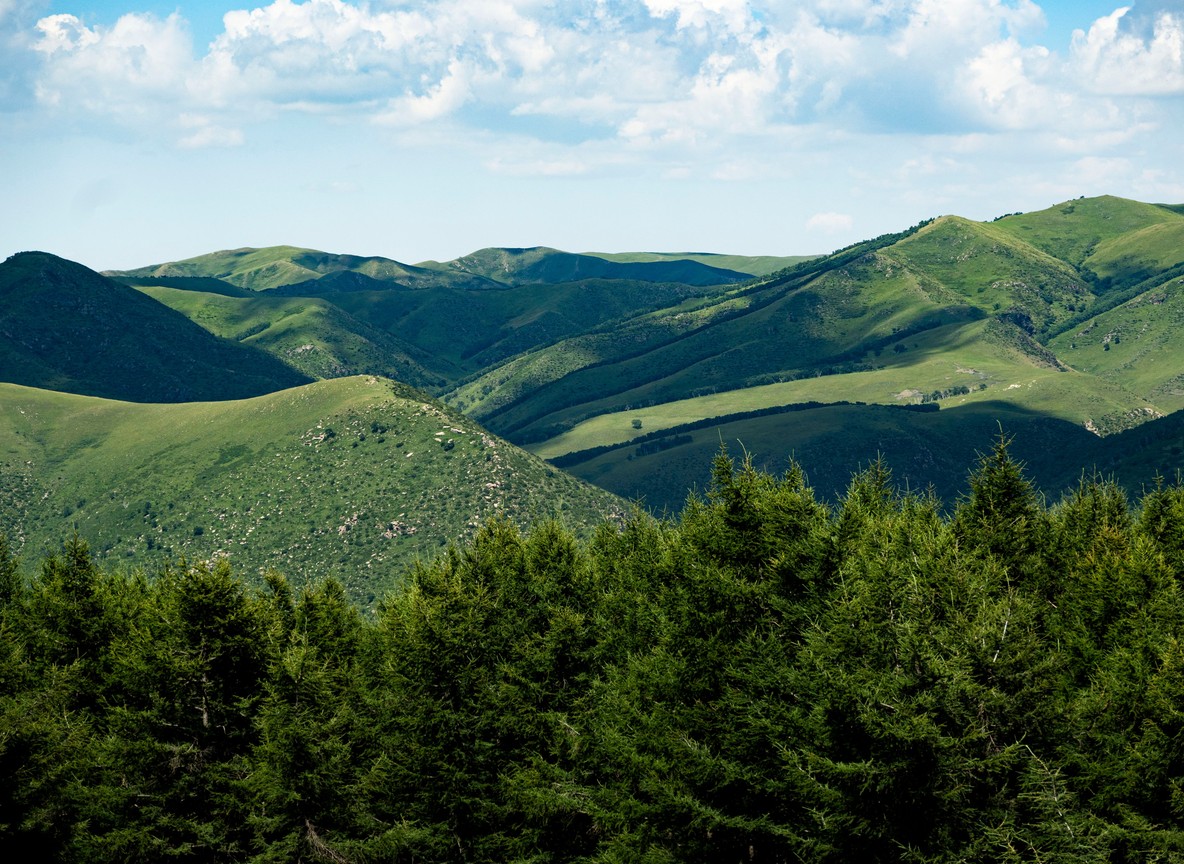
Chyulu Hills National Park covers approximately 741 km2. It forms a green volcanic ridge between Amboseli and Tsavo West. Orbili sits on community land adjoining the park, inside Big Life’s patrol area. Travelers based in this region for wildlife viewing sit in the exact landscape where this kind of conflict, and this kind of response, plays out.
| Detail | Figure |
|---|---|
| Chyulu Hills National Park size | approx. 741 km2 |
| Distance, Nairobi to Chyulu Hills / Amboseli region | approx. 220-250 km, 4-5 hr drive |
| Nearest airstrip | Kimana Airstrip (Amboseli area) or Ol Donyo airstrip (Chyulu Hills) |
| Big Life Foundation patrol area | approx. 1.6 million acres, Amboseli-Tsavo-Kilimanjaro ecosystem |
| Kenya’s estimated national lion population | approx. 2,000-2,600 (indicative, national census range) |
| Lion Guardians boma reinforcement cost | approx. USD 200-500 per boma (indicative) |
| Chyulu Hills entry / conservancy fees | approx. USD 50-70 per person per 24 hr (indicative, varies by lodge/conservancy) |
Where Travelers Can See This Conservation Work
Ol Donyo Lodge sits on the Mbirikani Group Ranch in the Chyulu Hills. Big Life rangers and Lion Guardians teams both work this land. Guests can often arrange visits with those teams to see boma reinforcement and lion-tracking work firsthand, well outside raid season. Near Amboseli itself, Kimana Sanctuary and Selenkay Conservancy sit on the same corridor. Both route conservancy fees directly into community conflict-prevention work, including the boma programs that make drone intervention a last resort rather than a first response.
Explorer Notes
Ask your guide or camp manager whether their conservancy funds a Lion Guardian or ranger program directly. Fee structures vary a lot between lodges, even within the same conservancy. Visit during the dry season, from roughly June through October, and you will see why raid reports climb then. Livestock and wildlife compete hardest for grazing and water in those months. Guides in the Chyulu-Amboseli corridor often know individual collared lions by name. Ask which pride ranges near camp that week. A quiet evening at a boma with a Lion Guardian on watch teaches you more than most daytime game drives. Bring a headlamp with a red-light setting if you join a night patrol. White light disturbs both livestock and wildlife.
What to Read Next
- Amboseli-Tsavo Wildlife Corridor and Its Super Tusker Elephants
- Best Time to Visit Laikipia, Kenya
- How Community Conservancies Fund Wildlife Protection in Kenya
FAQ
What happened with the drone and the lioness in Kenya? Big Life Foundation and Lion Guardians flew two thermal-drone flights near Orbili, Chyulu Hills. The flights redirected a livestock-raiding lioness back toward her pride instead of using lethal control.
Why do conservancies use drones instead of killing raiding lions? A drone lets rangers locate and deter a specific lion at night without harming it. It avoids the retaliatory killings that have historically reduced lion numbers around pastoralist land.
How many lions are left in Kenya? Kenya’s national lion population sits at roughly 2,000 to 2,600. The Amboseli-Tsavo-Chyulu ecosystem is one of the most important strongholds outside fenced reserves.
What is Lion Guardians and where does it operate? Lion Guardians is a conservation group founded in 2007. It trains Maasai warriors to track collared lions and reinforce livestock bomas across the Amboseli-Tsavo-Chyulu ecosystem and the Maasai Mara’s South Rift.
Can travelers visit the area where this happened? Yes. Ol Donyo Lodge in the Chyulu Hills sits in the same patrol area. So do conservancies such as Kimana Sanctuary and Selenkay near Amboseli. Both can often arrange visits with ranger or Lion Guardian teams.
A lion left alive to raise its pride is worth more to this landscape, and to the travelers who come see it, than any one lost cow. Check the Tour Packages page for itineraries that route through the Chyulu Hills and Amboseli corridor, where conservancy fees fund exactly this kind of work.